

Everything seems fine until that moment when your Chevrolet Cruze starts acting up. A noise or an unusual vibration; it's easy to brush them off at first. Ignoring these signs can lead to headaches down the road.
The Chevrolet Cruze is a car. It looks good. Performs well. It also requires a bit of attention to keep it in shape.
Understanding the Symptoms
You might notice symptoms when your Cruze needs maintenance.
For instance if you hear a knocking or tapping sound coming from the engine it could indicate oil levels or a more serious issue with your Cruze.
Regularly checking your oil not helps prevent damage to your Cruze but can also catch small problems before they escalate.
When you check your oil ensure that it is not at a level but also clean; dark gritty oil can signal the need for an oil change for your Cruze.
Another sign can be a decrease in fuel efficiency in your Cruze.
If your Cruze, known for its performance starts guzzling gas it might be time to check the air filter or fuel injectors in your Cruze.
A clogged air filter restricts airflow leading to a fuel mixture that your Cruze engine wouldn't appreciate.
A simple inspection of the air filter can save you money at the pump as replacing a filter is a fix compared to the potential costs of inefficient fuel usage in your Cruze.
Simple Checks to Keep Your Cruze Running Smoothly
Maintaining your Chevrolet Cruze doesn't need to be a chore.
Start with a walk-around inspection of your Cruze.
Look for signs of leaks under your Cruze.
A small puddle of oil or coolant can indicate a problem that requires attention to your Cruze.
If you catch it early you might only need a seal replacement of a costly repair for your Cruze.
Remember, even a tiny leak can lead to issues with your Cruze so addressing it sooner than later can save you time and money.
Next keep an eye on your tire pressure in your Cruze.
Under-inflated tires not compromise safety but can also affect fuel efficiency of your Cruze.
Most Chevrolet dealerships or automotive shops offer pressure checks for free; it's an investment in your Cruzes longevity.
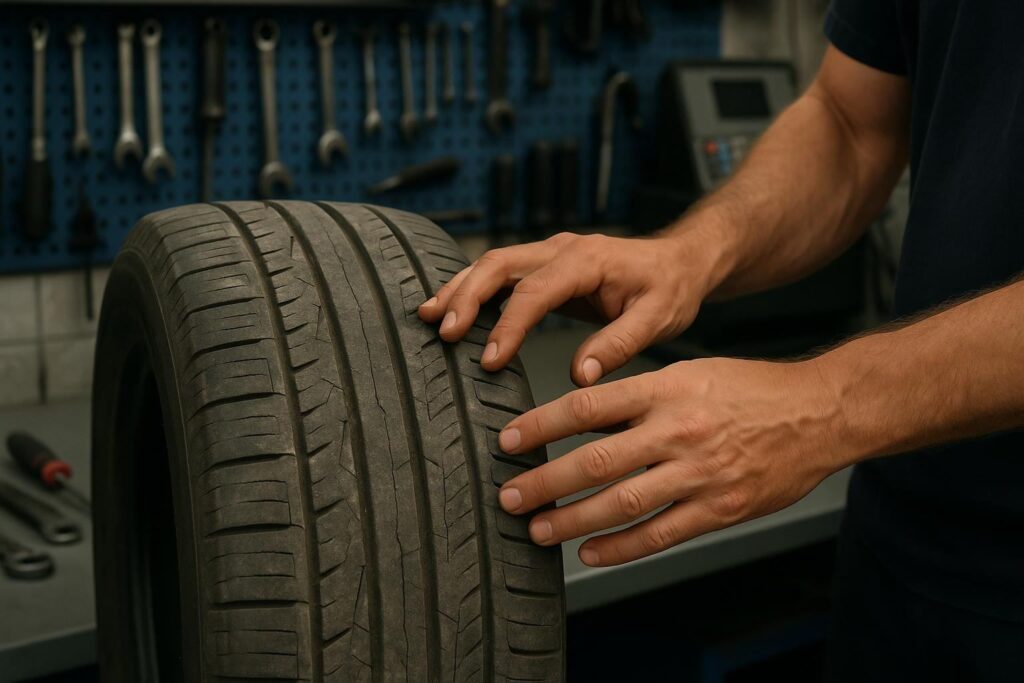
In addition periodically inspecting your tires for wear can provide insight into alignment issues that might need addressing in your Cruze.
Also don't forget about the brakes of your Cruze.
If you feel a grinding noise when applying the brakes or if the pedal feels spongy it's time to get them checked in your Cruze.
Ignoring brake issues can put your safety at risk. Lead to expensive repairs if rotors become damaged in your Cruze.
Regularly checking the brake pads for thickness can help prevent the need for brake system work on your Cruze.
What Shouldn't Be Ignored?
Certain issues should never be brushed aside with your Cruze.
For example a check engine light may seem benign. It can point to a variety of problems. From something simple like a loose gas cap to serious engine issues in your Cruze.
If your light comes on it's best to get it diagnosed for your Cruze.
Most auto parts stores will read the code for you at no charge.
Don't wait long to address this warning with your Cruze; sometimes what seems like a minor issue can escalate into damage if neglected.
Lets talk about the temperature gauge of your Cruze.
Your Chevrolet Cruze is designed to run at a temperature.
If you notice the needle creeping into the danger zone pull over immediately with your Cruze.
Continuing to drive can lead to engine failure, which's more costly than a simple coolant check for your Cruze.
Regularly monitoring coolant levels and inspecting hoses for leaks and cracks can help you avoid issues with your Cruze.
Routine Maintenance Schedules
Creating a maintenance schedule for your Cruze can keep it running smoothly for years.
Regular oil changes are crucial for your Cruze. Most experts recommend every 5,000 to 7,500 miles but always consult your owners manual for specifics.
Don't wait until your oil looks dark; proactive maintenance is key in preventing engine wear in your Cruze.
Consider setting reminders on your phone or calendar to make sure you stay on top of your maintenance schedule for your Cruze.
Additionally check your battery regularly in your Cruze.
Corrosion on battery terminals can lead to performance issues and unexpected breakdowns of your Cruze.
If you notice a build-up clean it off with a mixture of baking soda and water.
While you're at it have your battery tested; many auto parts stores offer this service for free.
If your battery is than a few years old it might be worth considering a replacement to avoid failures in your Cruze.
Preparing for Seasonal Changes
As seasons change so do the demands on your Chevrolet Cruze.
Winter brings its set of challenges like reduced tire traction and the risk of battery failure due to cold temperatures.
Consider switching to winter tires if you live in an area with snowfall for your Cruze.
Not do winter tires improve traction but they can also enhance safety during icy conditions for your Cruze.
Summer on the hand can lead to issues with your Cruze.
Ensure your coolant levels are topped off and check the condition of your hoses in your Cruze.
Cracked or brittle hoses can lead to leaks that can quickly escalate into a problem with your Cruze.
Checking your air conditioning system before the heat of summer sets in can also save you from discomfort during those days with your Cruze.
Taking the time for these maintenance checks can save you from headaches on with your Cruze.
The Chevrolet Cruze is a sedan. Like any vehicle it thrives on care.
Keep an ear out for those sounds and an eye, on the dashboard lights of your Cruze.
Your Cruze will thank you with performance for years to come.
Regular maintenance might seem like a hassle at times. It is undeniably worth it when you consider the longevity and safety of your Chevrolet Cruze.