

Driving a car can be an adventure. You might notice that your car does not ride smoothly as it used to. The engine might not start quickly as it used to. High-mileage vehicles need attention. The problems that come up can be really overwhelming. If you know how to take care of your car it can make a difference, in how the car runs and how long it lasts. Here are some simple steps to keep your high-mileage vehicle in shape.
Check and Change the Oil Regularly
One of the things to do for your high-mileage vehicle is to change the oil. Oil is like the blood of your engine. It helps all the moving parts of the engine work together smoothly. As your engine gets older it might start to leak or use oil. So you need to check the oil levels.
The age of your car will help you decide what kind of oil to use. You might want to switch to a high-mileage oil that has additives to help fix leaks.
It is an idea to change the oil every 3,000 to 5,000 miles for engines.
If you drive in weather or in stop-and-go traffic you might need to change it often.
You should also keep an eye on the oil filter. A dirty filter can stop the oil from flowing. Cause wear on your engine.
Monitor Fluid Levels
It is not the oil that you need to check. You also need to check the coolant, brake fluid, power steering fluid and transmission fluid. These fluids are all important for your car to run well. If you check them regularly you can catch problems before they get worse. For example if the coolant level is low it might mean there is a leak. This can cause your engine to overheat, which is a problem for cars.
Each type of fluid has its schedule for when it should be checked and changed. For example you should change the brake fluid every couple of years. The transmission fluid might need to be changed every 30,000 to 60,000 miles. If you know when to check and change these fluids you can save yourself from repairs. If you notice any colors or smells when you check these fluids it could mean there is a problem that needs to be fixed away.
Inspect Your Tires
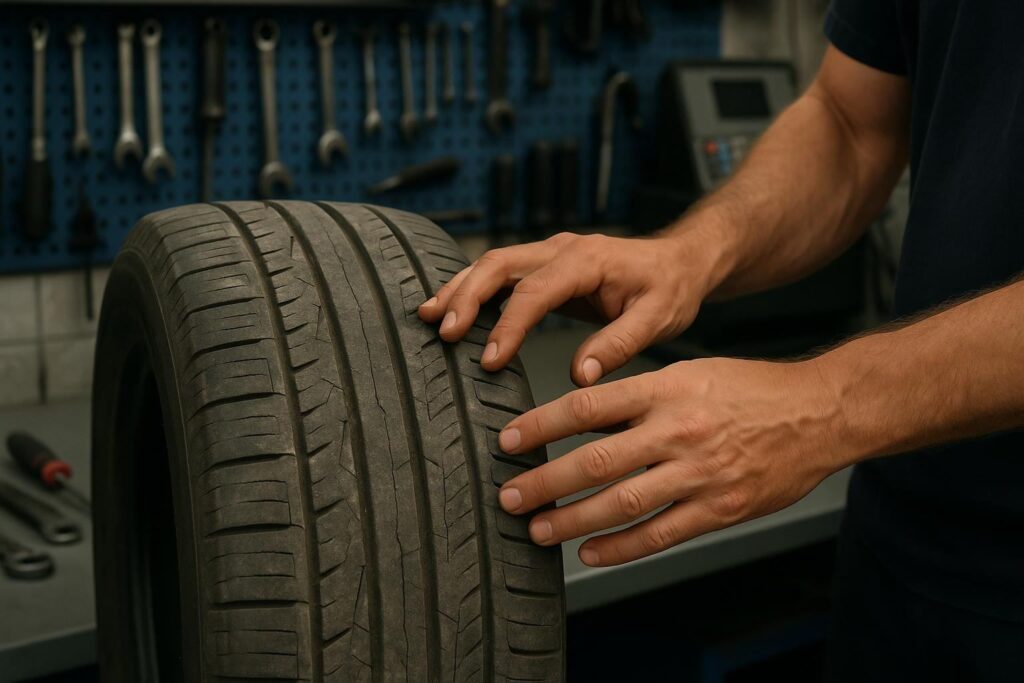
A lot of people forget to check their tires. Tires are really important for safety and handling. High-mileage vehicles can get tire wear, which can mean there are problems with the alignment or suspension.
You should check your tires regularly for signs of wear like bulges or cracks. You can do a test with a penny to see if the tread is worn out. If you can see the top of Lincolns head it is time to get tires. You should also check the tire pressure at once a month. If the tires are not inflated enough it can waste fuel. Make the car harder to handle. Rotating your tires every 6,000 to 8,000 miles can help them wear evenly and last longer.
Addressing Engine Performance Issues
As your car gets older you might notice it is not accelerating quickly. It is using fuel. These problems can often be fixed by replacing the spark plugs or cleaning the fuel injectors. You should replace the spark plugs around the 100,000-mile mark.
It is an idea to check the spark plugs every 30,000 miles for wear and buildup. You should also consider cleaning or replacing the fuel injectors. If an injector is clogged it can cause the fuel to not burn properly which can decrease the power of your engine. There are cleaners you can buy to fix the injectors. If the problem persists you might need to take it to a professional. Do not forget to check the air filter. A dirty filter can stop the engine from getting the air it needs which can make the performance problems worse.
Keep an Eye on the Cooling System
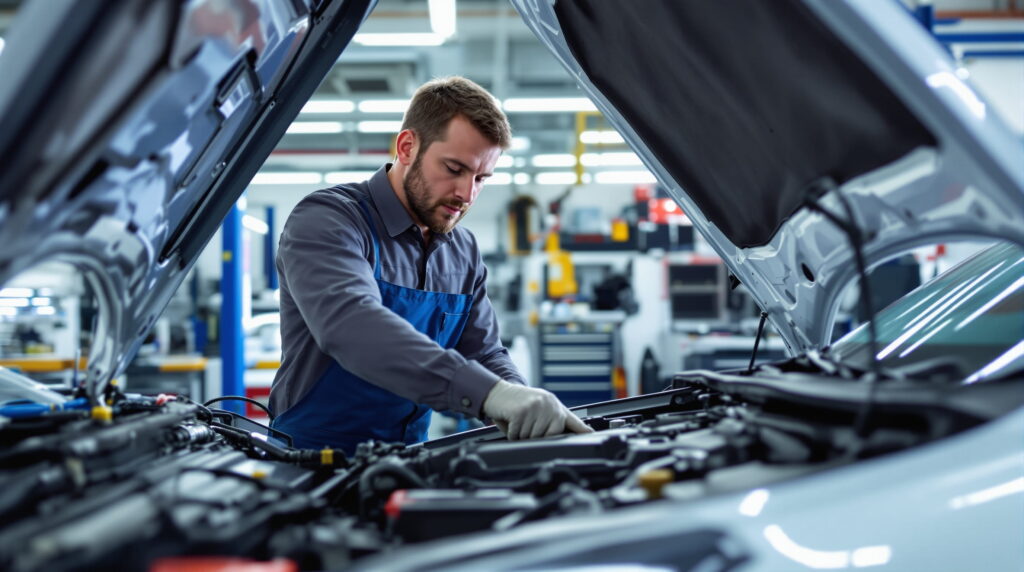
Overheating is a problem for high-mileage vehicles. If your engine gets too hot it can cause damage. So you need to check the cooling system. Look at the coolant reservoir. Check the hoses and connections for leaks or wear. Even a small leak can cause the engine to overheat.
If your car has overheated before you might want to flush the system every couple of years. This can help remove any buildup that can cause problems. Always use the kind of coolant. Make sure the radiator is working properly. A bad thermostat can also cause cooling problems so it is worth checking or replacing if you notice any temperature problems. Be careful not to use coolant additives as they can clog the system.
Additional Checks for Long-Lasting Performance
Taking care of a high-mileage vehicle can seem like a lot of work.. If you do it regularly you can keep your car running for a time. Take the time to check the belts and hoses for signs of wear. These can break down over time. Cause problems. It is also an idea to keep your car clean, inside and out. Washing and waxing the car can protect the paint and undercarriage from rust.
Lastly think about how you drive. If you accelerate and brake gently it can help your engine and brakes last longer. If you see any warning lights on the dashboard do not ignore them. Fixing problems early can save you from repairs.
Every small thing you do to take care of your car can help it longer. Remember, taking care of your car now can save you a lot of money and headaches later. If you want advice, for your car you can look at forums. Talk to a mechanic.